Background
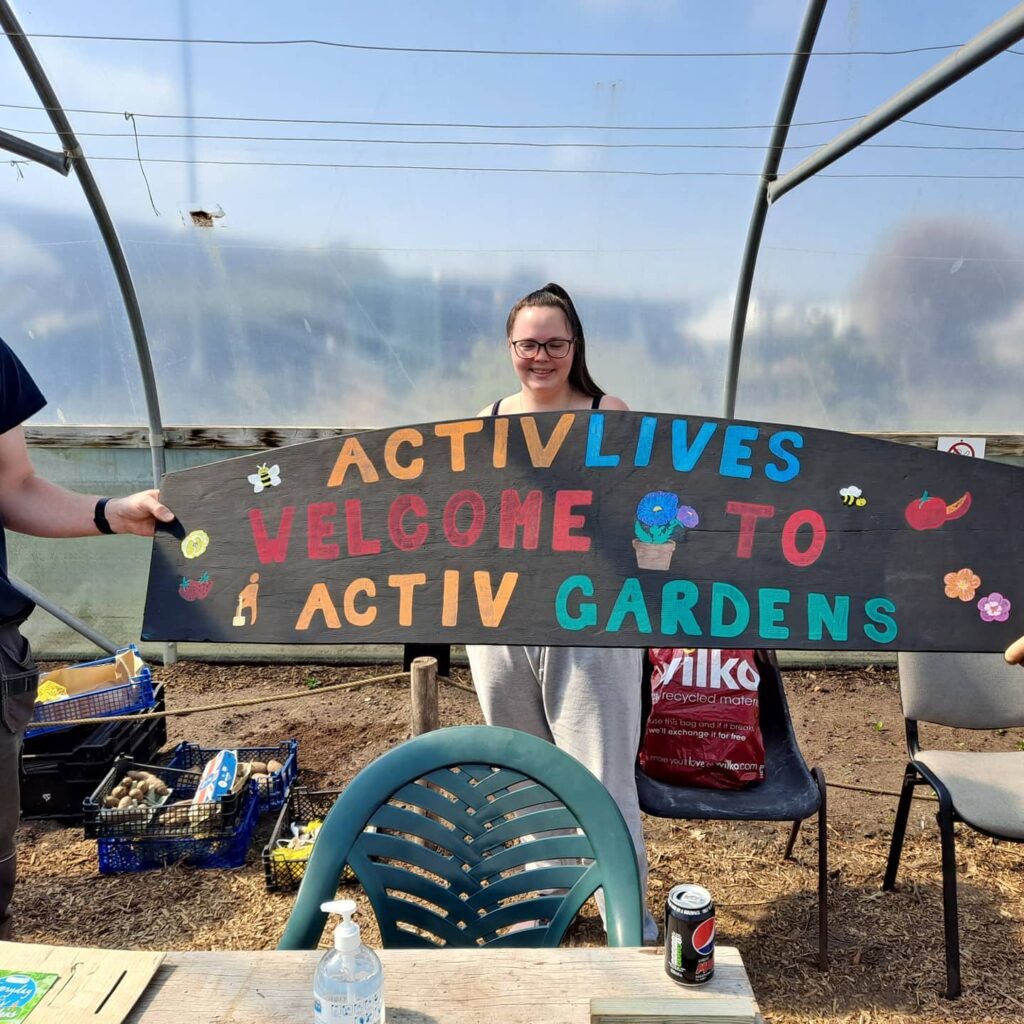
Set within The People’s Community Garden at Maidenhall Allotments on Halifax Road, ActivGardens is where food, wellbeing and community come together. Delivered by ActivLives as part of the Grow Well Eat Well project, ActivGardens uses growing, cooking and shared activity to improve access to fresh food, encourage healthier eating and reduce social isolation across Ipswich.
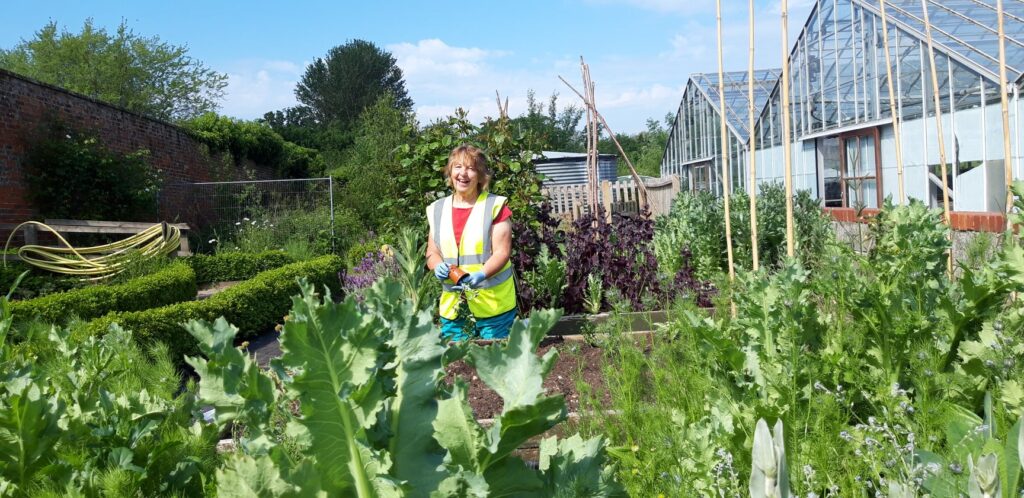
The project is led by Phoebe, Project Officer, who has been in post for the past year. Her role spans outreach, community engagement and partnership working. She is supported by Operations Officer Ian Hirst, a committed volunteer team and specialist contributors, including a volunteer chef. Together, they create a welcoming space where people feel able to take part, learn new skills and build confidence.
ActivGardens responds directly to food insecurity, health inequalities and loneliness. By combining food growing with surplus redistribution and inclusive community events, the project offers practical, hands-on ways for people to reconnect with food, nature and one another.
How it Works
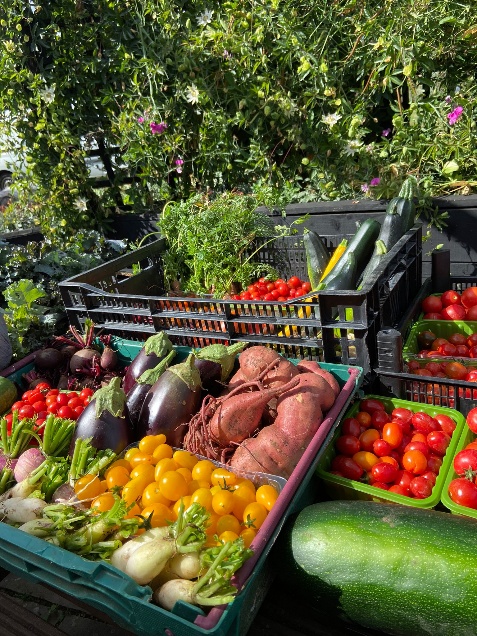
At its core, ActivGardens uses the community garden as both a productive growing space and a hub for learning and connection. During the growing season, from May to October, surplus produce from the allotment is donated weekly to St Peter’s Top Up Shop. Volunteers from St Peter’s Church collect the produce, ensuring that fresh, locally grown food reaches people who may otherwise struggle to access it.
Outreach is a key strength of the project. Each month, Phoebe visits St Peter’s Top Up Shop to connect with the people in need. These visits include seed sowing activities, plant giveaways, recipe ideas and cooking tasters which are simple but effective ways to spark interest and build confidence around healthier eating. Over time, these sessions have helped bridge the gap between the garden and the wider community, turning curiosity into participation.
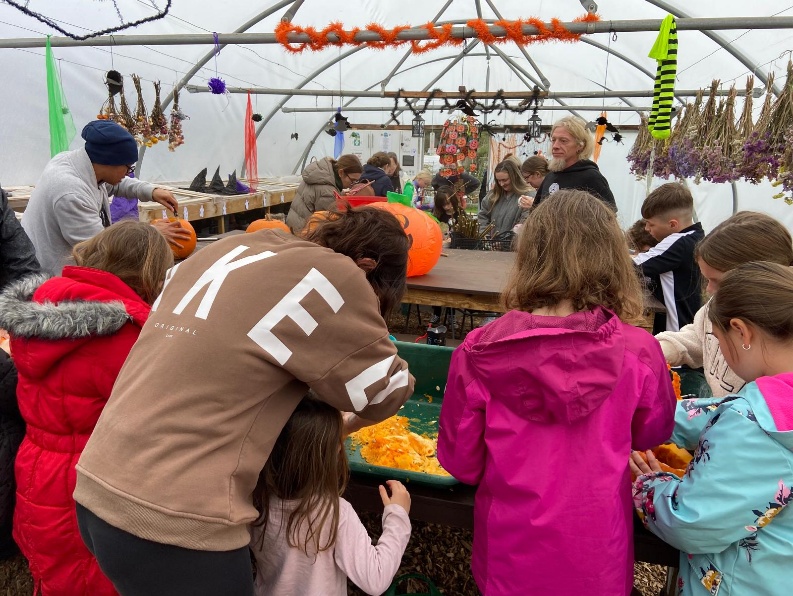
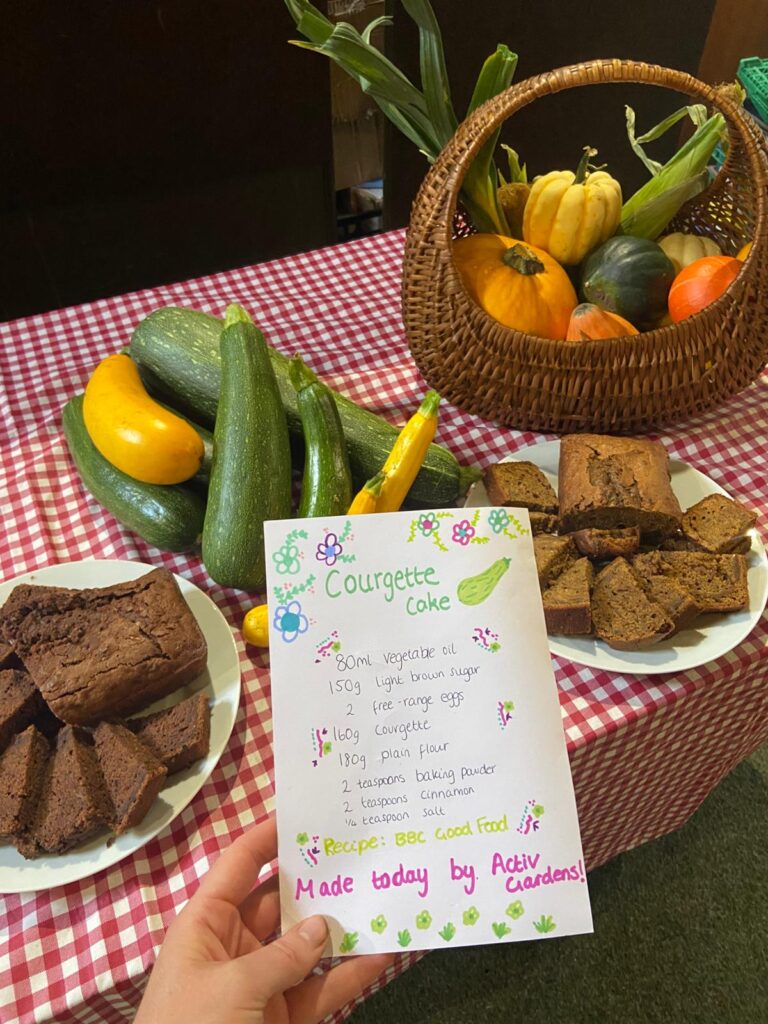
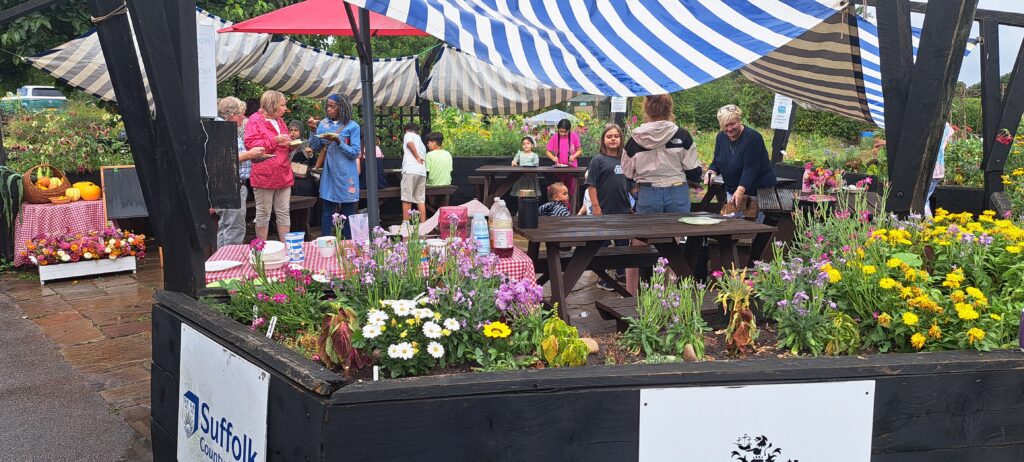
Seasonal events bring the garden to life. Families are invited to take part in outdoor cooking, nature-based crafts and shared meals prepared using garden produce. Food is cooked on site using a clay oven and fire pits, with guidance from a volunteer chef, creating relaxed, memorable experiences that feel accessible rather than intimidating.
ActivGardens also works in partnership with organisations such as Realise Futures to deliver targeted courses, including slow-cooker sessions. These practical workshops help people develop affordable cooking skills they can easily take home and use in everyday life.
Who the Project Supports
ActivGardens supports disadvantaged adults and families living in Central and South West Ipswich, particularly in Maidenhall, Stoke and Stoke Park. The project reaches a wide range of people, including families with young children, neurodivergent individuals, people who are unemployed or out of work long-term, older people experiencing isolation, and individuals managing mental health challenges such as anxiety or depression.
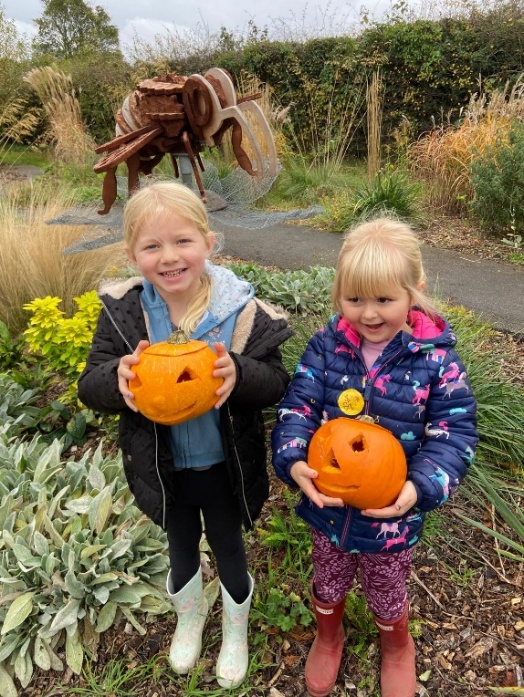
Children and families are central to the project’s events programme, while adults benefit from opportunities to grow food, volunteer and take part in skills-based learning. The garden offers a flexible, inclusive environment where people can engage in ways that suit them, whether that’s getting hands-on in the soil or simply spending time in a calm, supportive space.
Positive Impact
Over the past year, ActivGardens has seen strong engagement and meaningful outcomes. The Autumn Adventure Halloween event welcomed 74 people, from toddlers to teenagers and adults, alongside volunteers. Feedback highlighted how children happily tried nutritious soups and stews they had previously assumed they wouldn’t like; a small but powerful example of how the project helps shift attitudes towards healthy food.
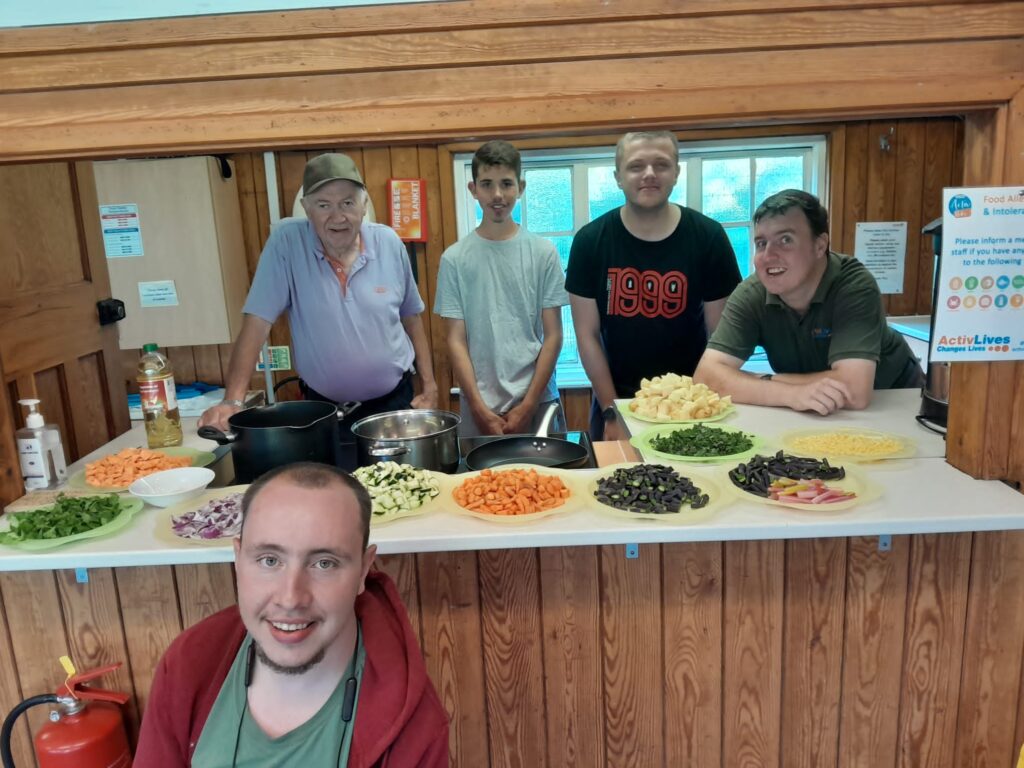
Monthly outreach at St Peter’s Top Up Shop has built trust and familiarity. Regular attendees are increasingly willing to try tasters, ask questions and take plants or recipes home. The slow cooker course delivered with Realise Futures brought participants and volunteers together, creating shared learning experiences and strengthening social connections.
Longer term engagement is also growing. Several families, including those with home educated or neurodivergent children, have taken on mini plots at the allotment. Two childcare providers have progressed from mini plots to full allotments, embedding food growing into their everyday practice.
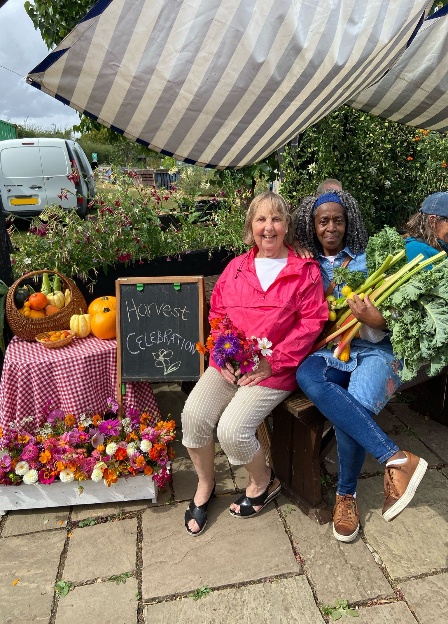
Volunteers consistently describe the satisfaction of seeing produce they have grown being used within the community, highlighting the therapeutic and confidence building impact of being involved in growing and sharing food.
Hidden amongst the wildflowers, is the Apiary and Bee Garden. The group regularly maintains the hives, and beekeeping experiences are offered to those wishing to get involved. Delicious honey is harvested and sold to volunteers.
Future Plans
ActivGardens will continue its monthly outreach visits to St Peter’s Top Up Shop, with upcoming sessions themed around seasonal moments such as Valentine’s recipes and seed sowing. An Easter community event is planned, likely to include outdoor cooking or a shared picnic alongside nature-based activities for children.
The project aims to increase its presence at wider community events, helping more people discover the garden and feel confident getting involved. Activity planning remains community led, ensuring that events reflect local interests and feedback. Popular sessions, such as the summer pizza night, are expected to continue due to high demand.
They want to extend their provisional facilities to a wider audience, allowing more groups and organisations to use the garden space to host cooking sessions. Through networking and promotion, they wish to offer more services such as this.
Challenges
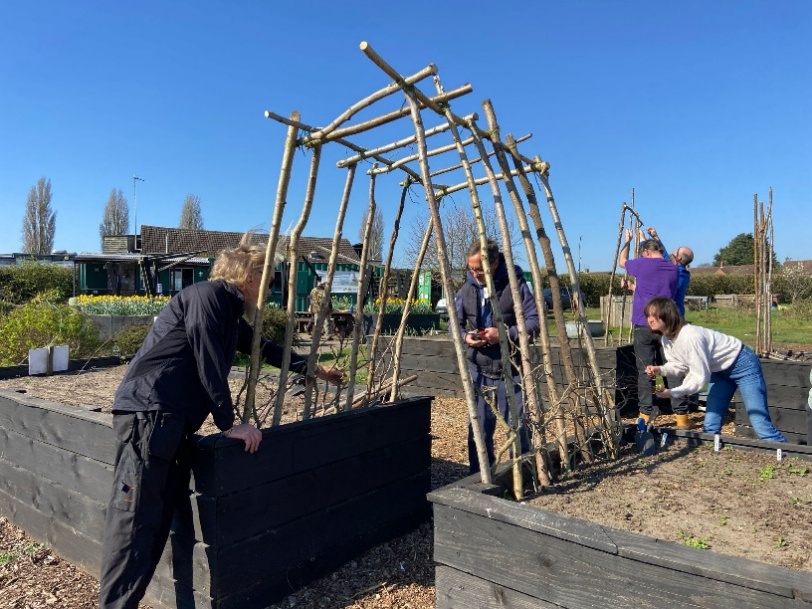
Like many community-led projects, ActivGardens faces challenges around volunteer recruitment and retention. While one-off events attract strong engagement, fewer people are able to commit to regular volunteering roles within the garden.
Some participants have learning differences, mobility issues or mental health needs, which increases the need for experienced volunteers who can mentor others and take initiative. To address this, the project is expanding outreach to local leaders, community groups and networks to attract new volunteers with a range of skills and experience.
Structured activities and employability style courses are also used as gentle pathways into volunteering, helping people build confidence before taking on longer-term roles.
Support Needs
To continue its work, ActivGardens needs ongoing funding to cover core running costs, including staff time for outreach, event delivery and volunteer support. Sustained funding would allow the project to maintain food donations, develop partnerships and grow its programme responsibly.
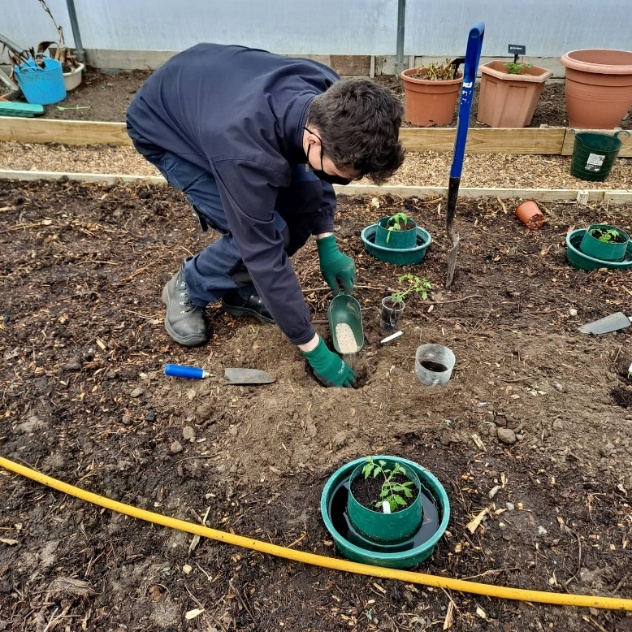
Volunteering remains just as important. The project would particularly welcome people who enjoy mentoring, have practical gardening skills, or are happy to take responsibility for specific areas of the site. Donations, whether financial or in-kind, also play a vital role in keeping activities accessible to all. “Handy men” are always particularly welcomed to help with heavy lifting, repair work, and renovating raised beds. ActivSheds sessions run three times a week (both mixed and men only) for those who are interested in socialising, sharing, and learning new DIY skills.
ActivGardens is keen to extend its outreach further by encouraging communities from diverse backgrounds and cultures to get involved and shape the project.
Partnerships with larger organisations, such as Breheny Civil Engineering, have proved to be a valuable way of building on existing skills and resources. The building company not only provided a health & safety training session, but more importantly, donated some equipment to our ActivSheds group to support essential repair and rebuilding work.
ActivLives welcomes continued partnerships of this kind. By sharing skills, time and knowledge, we can strengthen community connections while ensuring our spaces remain accessible, safe and thriving for everyone.
Key Learning from 2025
ActivGardens has learned that accessible, one-off events are highly effective in engaging local communities, especially when paired with hands-on activities such as cooking, seed sowing or tasting food. Collaborative working is essential, and trusted community partners play a key role in encouraging participation. Creating informal, welcoming environments helps people feel at ease, build confidence and stay engaged over time.
How has CAS helped?
ActivLives values the support provided by CAS through training, advice and networking opportunities. Attendance at CAS Community Food Team Network events has helped strengthen connections with other organisations, share learning and reflect on best practice. This support has played an important role in the ongoing development of ActivGardens, helping the project continue to grow its impact across the local community.
Additionally, support was provided when applying for the ‘Sustainable Communities Food Fund’ grant. They were awarded £4,985 to deliver the second phase of Grow Well Eat Well in which volunteers from ActivLives and St. Peter’s Top Up Shop work closely together to encourage more people to get involved, participate in healthful activities and access fresh produce. A series of activities and events were run to involve new people and families in knowledge and skills-share around growing and gardening, cooking and food culture. The expected outcome was for at least 60 people to be supported including 20 existing volunteers, 10 new volunteers, 30 participants at events and activities and 60+ families who use the top-up shop.
Due to exceeded uptake and demand for the offer, ActivGardens are deliberating applying for additional funding to further develop deliverance.
