Edible Felixstowe is a vibrant community growing initiative in the Suffolk seaside town of Felixstowe. Inspired by the Incredible Edible movement, the project is rooted in the idea that growing and sharing food in public spaces can create stronger, more connected communities. Since launching in April 2024, the project has transformed everyday urban spaces – outside libraries, train stations, and high streets -into edible gardens accessible to all.
Background
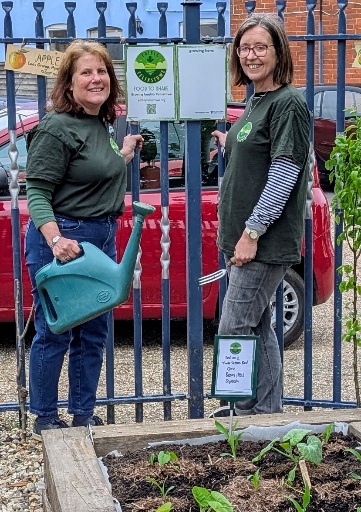
The project began when Heidi and Kate, both long-time advocates for community and environmental work, were inspired to bring edible growing to Felixstowe. Heidi, who had previously supported similar work through other charities, wanted to do something locally. Felixstowe, with its abundance of growing spaces and active community, felt like the perfect place.
Together, they established a Community Interest Company (CIC), laying the groundwork for what would become a thriving network of edible spaces. The project was formally launched with the support of the Mayor and Town Council, who attended a celebratory event to mark the beginning of this town-wide initiative.
How was the project set up?
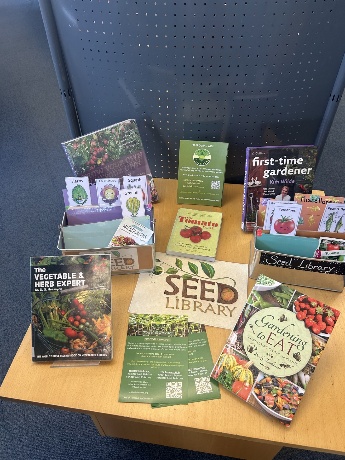
Setting up Edible Felixstowe required significant groundwork. Between November and April, Heidi and Kate focused on registering the CIC, securing insurance, applying for permissions and talking to local landowners and councils. Their first space was outside Felixstowe Library, where they created three raised beds with help from volunteers. They hope to plant them up this spring, with one as a tea garden with chamomile and lemon balm, and a ‘three sisters’ bed (squash, beans and corn). Materials like sleepers and shingle were donated, and a team of local residents helped construct the beds. The library has since become the project’s base, supporting them not only with space but also as a hub for donations, a seed library, and regular weekend events.
Support from the Town Council was vital. They provided land in the centre of town for another growing area and helped fund a website and celebration events.
How does the project operate?
Edible Felixstowe is volunteer-led and community-powered. Weekly gardening sessions are held every Tuesday during the day and Thursday evening to accommodate different schedules, with occasional weekend events. Communication is kept simple through a WhatsApp group, and the ethos is open and flexible: “Come when you can, help how you can.”
The project now includes edible sites in a range of public and semi-public spaces:
- The original library beds
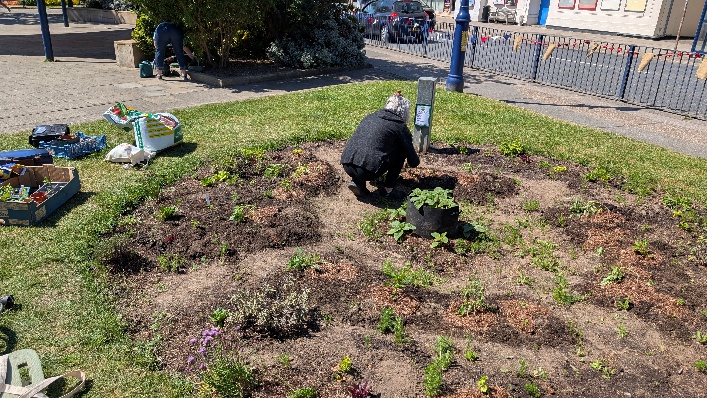
- A central plot called The Christmas Tree Circle on council land where the group are planting a ‘salad bowl’ this year
- Planters on the high street and at the train station
- Edible growing linked with a local school, a wine bar, and even a hairdresser’s
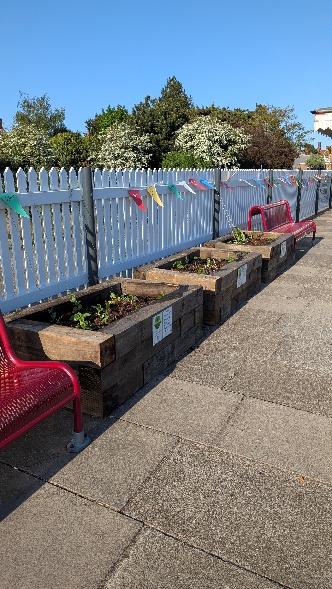
The group has built strong relationships with local partners. Greater Anglia helped install raised beds and a rainwater harvesting system at the station. The town’s head gardener waters the public planters and businesses like the wine bar have taken on responsibility for their own watering and planting.
Alongside growing, the team runs outreach events, works with schools, and uses every opportunity to talk to people about growing food, from seasonality to soil health.
How has your project changed and developed over time and why?
In just over a year, Edible Felixstowe has evolved from a few beds to a town-wide patchwork of gardens. Each new space brings new lessons! One challenge has been managing expectations, particularly with some businesses who initially hoped the volunteers would handle all the maintenance. The team have had to reinforce that this is a community-led initiative, not a council service.
Watering has also proved tricky, especially during dry spells. While the council and some businesses have stepped up, it remains one of the biggest practical challenges.
The team has chosen to keep things simple. Rather than spending time chasing large grants, they focus on using what’s already available, with occasional local funding for compost or tools. Kate handles the digital side – keeping the website and Facebook up to date – while Heidi coordinates the physical work.
What advice would you give to anyone thinking about setting up a similar project?
Heidi and Kate offer clear advice: give yourself time to get set up – the planning phase is vital! Registering your group, building relationships and getting permissions take time but ensure your project resilience into the future. Also having conversations with your community is how momentum builds.
They also emphasise the value of going through the right channels. While guerrilla gardening may work in cities, in a town like Felixstowe, having council backing brings credibility, support, and access to opportunities.
Above all, they say: start small, be patient, and enjoy it! The more edible spaces appear across Felixstowe, the more people stop to notice—and maybe even pick a tomato on their way home.
Visit their website for contact details, upcoming events and more images of what they’ve done so far: ediblefelixstowe.org
