
Background
On Portman Road in Ipswich, inside St Matthew’s Church, a simple but powerful idea continues to make a real difference. St Matthew’s Top-Up Shop is part of the Ipswich Top Up Shops network and offers affordable food in a way that protects dignity, choice and community connection. At its heart, St Matthew’s Top Up Shop believes that everyone deserves access to good quality food and to be treated with respect, regardless of circumstance.
Founded during the pandemic, the shop has evolved into a steady and trusted presence for local people facing food insecurity. While the immediate crisis that sparked its creation has eased, the need has not disappeared. Instead, the project has adapted, continuing to meet people where they are, without judgement, referral forms or barriers.
The project seeks to alleviate food poverty and social deprivation by partnering with organisations such as FareShare, Neighbourly, and local food wholesalers and producers to offer good quality food to local people for a small fee. St Matthew’s Top Up Shop aims to support those who have no voice, who have no food, and who feel they have no hope.
A Community-Led Response
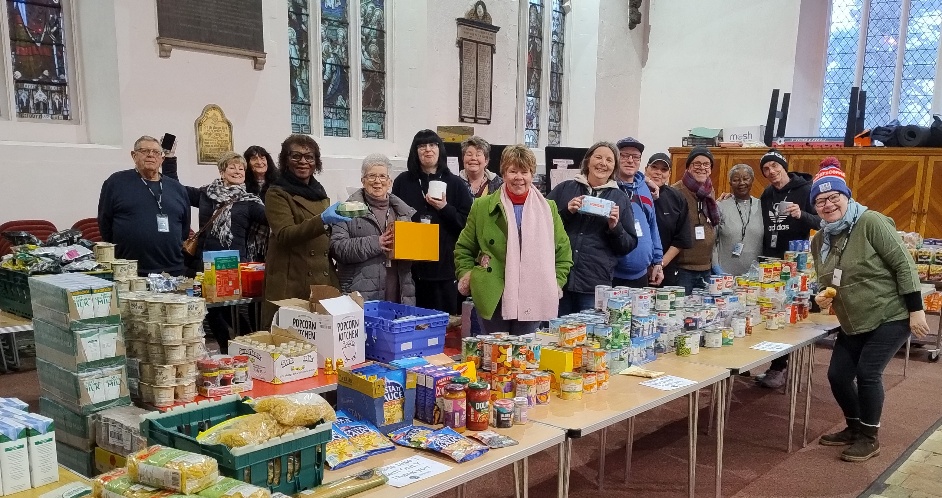
The shop is entirely volunteer-powered and supported by a dedicated team of over 30 people from all walks of life. Volunteers include local residents, church members, people in addiction recovery, and former attendees who now give back. For many, volunteering here represents a second chance, a fresh start, or simply a way to feel useful and connected again.
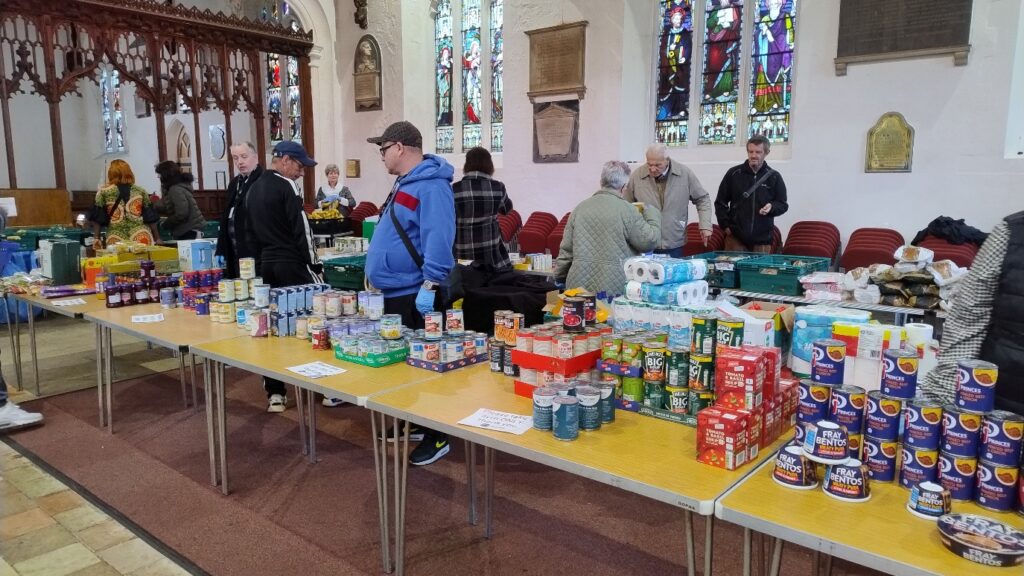
Each Thursday morning, the church fills with activity as volunteers set up tables, sort food and welcome attendees. There is no sense of charity or handouts. Instead, people are greeted by name, offered help if they want it, and encouraged to shop for themselves.
Local Councillor Elizabeth Hughes regularly supports the project, helping with data collection and advocating for people who attend, strengthening the shop’s links with the wider community.
How the Top Up Shop Works
For a £2 contribution, attendees can choose a bag of groceries from a wide range of items laid out across tables. People select what they need and what they will use, creating an experience that feels closer to a small market than emergency food aid.
The shop runs every Thursday from 7:30am to 10:00am and typically supports between 60 and 100 people each week. No referrals are required, and there are no eligibility checks. This open-door approach removes stigma and allows people to seek support before reaching crisis point.
Food is sourced through a mix of partnerships and generosity. Regular donations come from Tesco, M&S, Aldi and ASDA, alongside FareShare and Neighbourly. Lynn, one of the project’s coordinators, collects food throughout the week, often going above and beyond to ensure shelves remain well stocked. When key items are missing, volunteers frequently step in and purchase essentials themselves — a quiet but powerful reflection of the care behind the project.
Non-perishable food is stored within the church, and undonated stock is either saved for the following week or redistributed to local schools and other top up shops within the network. When produce is limited, volunteers often purchase missing staple items out of their own pockets. This high level of generosity is strongly felt throughout the project.
Who the Project Supports
St Matthew’s Top Up Shop primarily supports people living in Ipswich, though some attendees travel from nearby towns such as Colchester. Households vary widely, from individuals living alone to families juggling rising costs and unstable incomes.
While no fresh food is grown on site, the team works hard to source fresh produce through partnerships with other top up shops and local suppliers whenever possible.
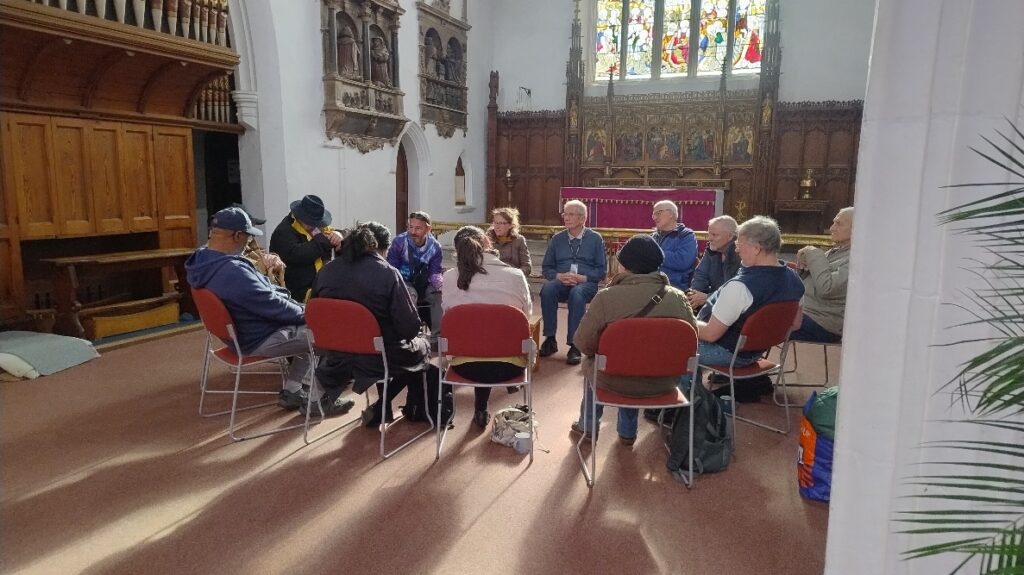
Beyond food provision, St Matthew’s also offers informal support, including community connection, advice, safeguarding and a welcoming environment where people can feel seen, respected and supported.
Positive Impact
The strongest impact of St Matthew’s Top Up Shop can be seen in the relationships it builds. Regular attendees often move from quiet uncertainty to familiarity and trust, forming meaningful connections with volunteers and one another. Volunteers, in turn, describe a strong sense of purpose and pride in being part of something that genuinely matters.
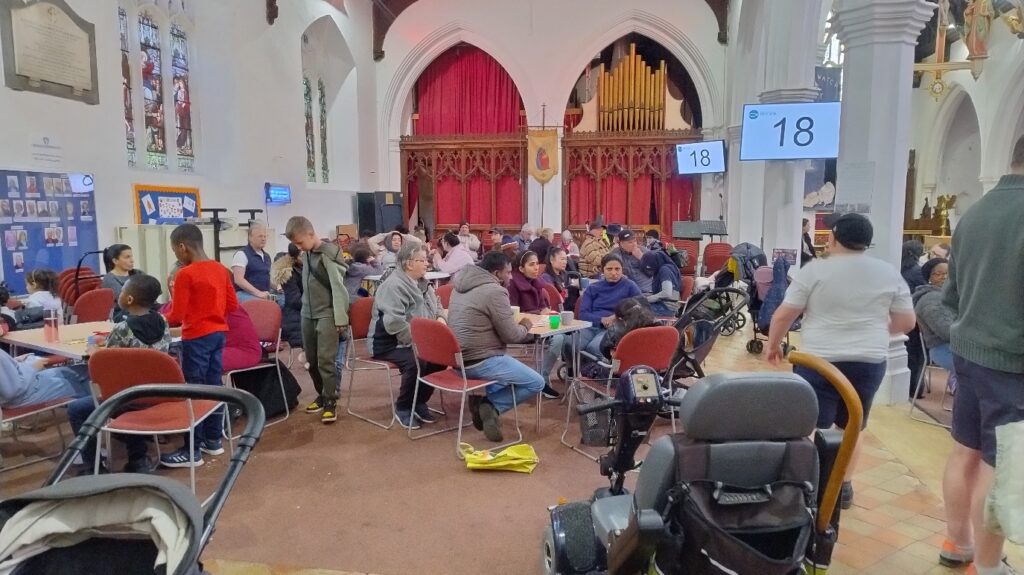
One of the project’s greatest strengths is its strong community feel. Attendees and volunteers alike describe the shop as more than a food provision service — it is a place of connection, mutual support and shared care.
The project works closely with community police, Citizens Advice, Hope Communion, Saxon House and Triangle, creating a wider network of support that strengthens outcomes for those attending.
The service’s open, non-restrictive model allows anyone to choose their own food, supporting dignity and independence. Volunteers report that long-term relationships develop naturally, and the mutual support between volunteers and attendees is one of the project’s defining features.
Future Plans
While demand has eased slightly since the Christmas period, the Top Up Shop remains an important local resource. The team is exploring ideas such as volunteer training and strengthening links with external support organisations to improve signposting and holistic support.
There are also plans to improve data recording processes and build volunteer confidence to broaden the scope of support offered. Grant funding has been accessed occasionally, and the shop is open to exploring further funding opportunities for items such as cooking appliances, improved storage solutions, or equipment that could enrich the experience for attendees.
Challenges
Like many volunteer-led projects, St Matthew’s Top Up Shop faces ongoing challenges, largely linked to its reliance on volunteers and donated food. A shortage of volunteers who are able to drive limits food collection capacity, placing significant pressure on Lynn, who currently undertakes the majority of food picking.
Funding is limited, and volunteers often purchase food out of pocket to ensure stock remains available. Volunteers receive basic training, and many currently lack confidence to lead extended support services such as cooking workshops or enhanced signposting to external help.
The supply of fresh produce is inconsistent. Storage space is limited due to the shared nature of the church building, and paper-based record keeping presents a risk of data loss.
Support Needs
St Matthew’s Top Up Shop thrives because of people who give time, donate food, share resources or simply spread the word. Even small contributions help keep the doors open each week.
- Support could include:
- Donating food or financial contributions
- Volunteering time, particularly for food collection or set-up
- Offering IT skills to support data recording
- Helping with grant applications or networking
- Encouraging businesses or community groups to get involved
Key Learning from 2025
A key learning from the project’s continued operation is the importance of community and connection in responding to food insecurity. St Matthew’s Top Up Shop demonstrates that food provision can be delivered with dignity, compassion and mutual support, creating not just a food resource, but a place of care, trust and relationship-building.
How has CAS helped?
CAS’ support has helped the project reflect on sustainability, capacity building and future development, supporting the team to continue responding to local need with confidence and care. After the recent site visit in January 2026, CAS has helped staff with the following initiatives to address training, advice, connections and funding:
- Connecting with CAS Training, Quality Standards and Safeguarding Development Officer, Jacqui Wilkinson, to seek training opportunities.
- Connecting with internal Volunteer Support Officer, Fiona Little regarding potential Sizewell C IT support
- Support with an SCFF grant application to fund some new kitchen appliances.
- Developing partnerships with organisations including Hope Church and Anglia Care Trust (ACT), working alongside Jon Reynolds and Brian Peters to improve service guidance and strengthen pathways to community support.
