Rural Housing
Let’s keep Suffolk’s villages thriving – together!
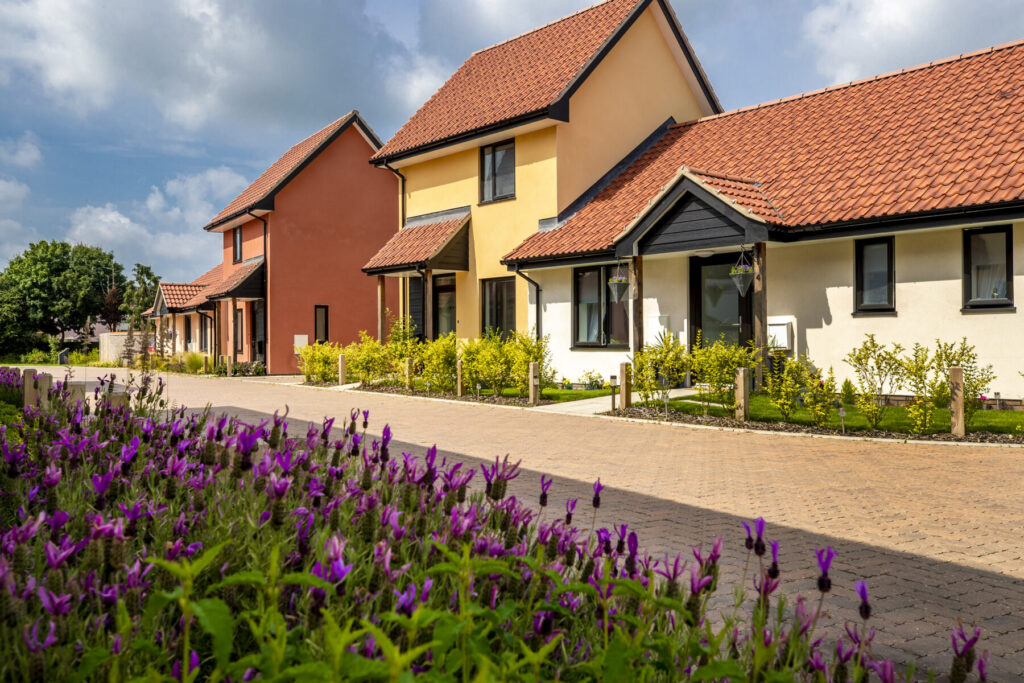
Rural Housing: Community-Led Solutions for Suffolk
Community Action Suffolk (CAS) works with Parish Councils, local residents, housing associations, local councils, and landowners to develop and facilitate housing solutions that meet the needs of rural communities.
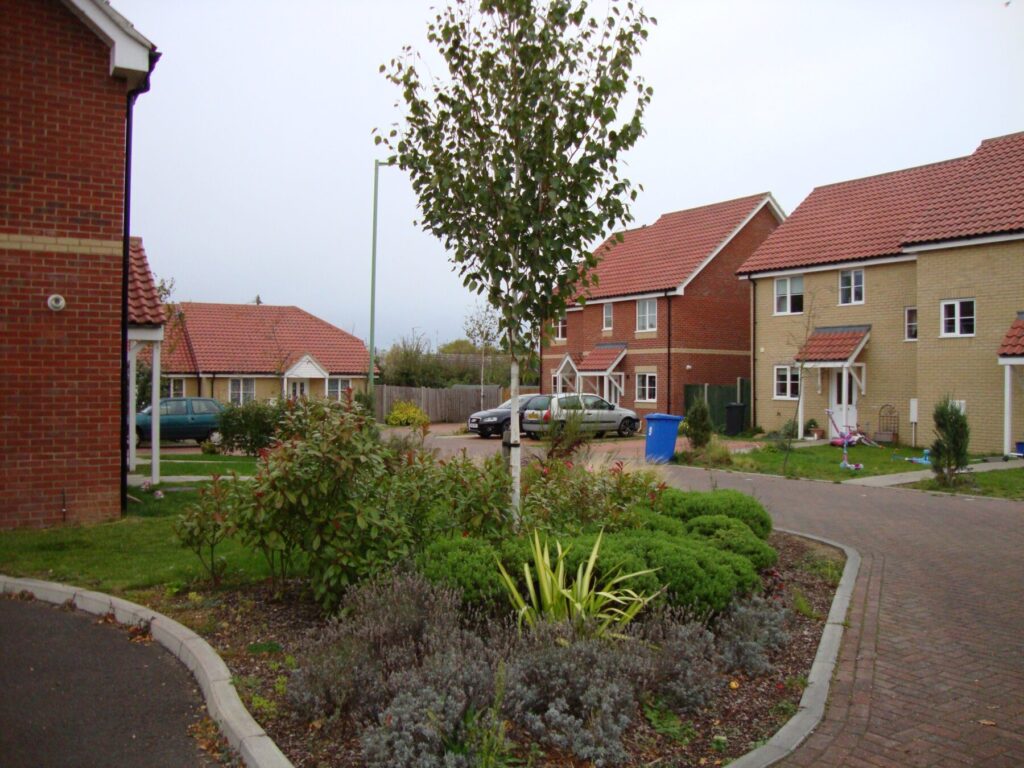
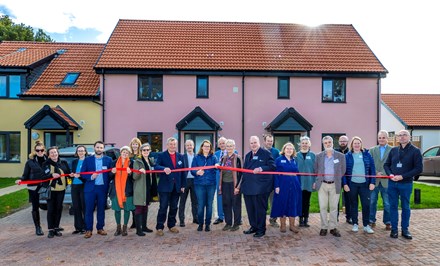
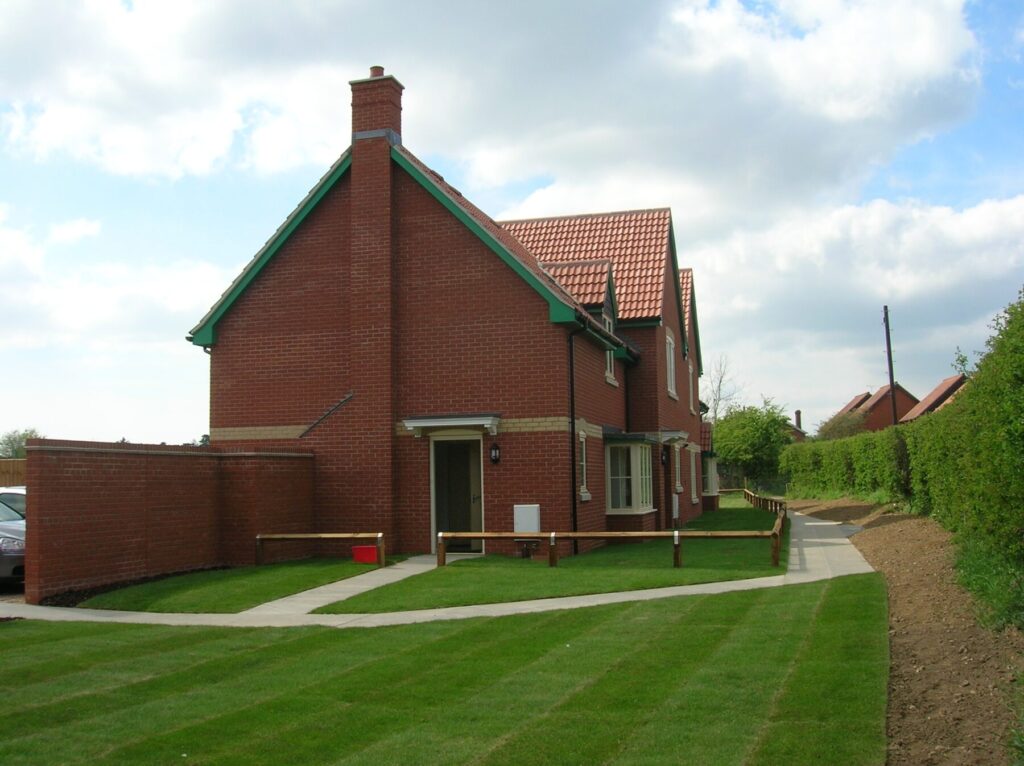
Our Rural Housing Project aims to increase affordable housing for local needs in villages, ensuring that people do not have to move away due to lack of suitable or affordable housing.
Our goal is to keep villages vibrant, inclusive and sustainable for future generations.
Our team of Rural and Community Housing Enablers provide friendly, independent advice on the securing truly affordable housing which prioritises the needs of the local community
Sections
Challenges in Rural Housing: Why Is It So Hard to Find a Home in the Village?
Rural areas face growing housing pressures. In recent years, concern has grown over the future of village life, because, local families have been unable to compete for increasingly scarce and expensive housing.
This is fuelled by:
- Rising house prices,
- Shortage of rental property
- High rents
- Loss of council housing through Right to Buy, and
- Restrictive planning policies.
Even long-time homeowners can find it difficult to secure suitable housing within their own communities.
How can We Keep Our Villages Thriving?
Local housing needs schemes provide long term affordable housing solutions within villages. Developed in partnership with Parish Councils, District Councils, and Housing Associations, these schemes ensure that homes remain available for local people in perpetuity. Section 106 agreements drawn up under the Town and Country Planning Act 1990 between the District Council and the Housing Association, legally secure these developments by specifying eligibility criteria based on the local connection and need. These restrictions do not affect any existing council or housing association properties in the parish or any open market homes built on rural exception site schemes.
Rural housing schemes are protected by specific Section 106 agreements in which lettings will be restricted initially to people with a strong connection to the parish. Each local authority will have its own definition of local need and local connection, but typically, it would cover the following circumstances:
- Connection to the village by birth
- Current residence within the village for a number of years
- Former residence in the village within a set timescale
- Close family members resident in the village
- Employment in the village
Rural Exception Sites & Housing Needs Surveys
Rural exception sites allow housing development just outside existing village boundaries to meet local housing needs. They allow development on land that would not usually receive planning permission. A Local Housing Needs Survey (HNS) must be submitted as evidence of housing need in the village to support an ‘exception scheme’. Rural exception sites are usually much cheaper than land where open market housing would normally be permitted.
A Housing Needs Survey (HNS) is an excellent way of identifying community needs and priorities. It provides evidence for these schemes by identifying:
- Identifying who in the community needs housing now or in the near future.
- Identifying any hidden need within a village such as people wishing to downsize or those who wish to return or remain in the village.
- The different types of tenures required (e.g., affordable rent, shared ownership, open market housing).
- Data on affordability and housing preferences.
- Evidence for planning and funding applications.
All households in the village are given an opportunity to complete the survey form along with any family members who have left the parish and would like to return if a local affordable housing scheme is developed. CAS works to draft, analyse and write reports to help the community get their projects started. The results of a HNS will enable the community to identify the right type of housing scheme.
What Types of Affordable Housing Are Available?
- Affordable Rent: Homes let at up to 80% of local market rent.
- Shared Ownership: Buyers purchase a percentage of their home and pay rent on the remaining portion. The most common type of shared ownership is Restricted Shared Equity where the occupier initially has a minimum mortgage of 25% of the equity of a property and pays a rent to the Housing Association on the remaining value. Occupants can increase their share of the equity up to a maximum of about 80%. This restriction on outright ownership ensures that the houses are never completely sold off and will remain available for local people in perpetuity.
- Open Market Housing: Introduced through the National Planning Policy Framework (NPPF), this allows a limited number of market homes on Rural Exception Sites to support affordable housing developments. This can greatly assist the financial viability of bringing forward a local needs affordable housing scheme.
- Discounted Market Sales: Housing is sold at a discount of at least 20% below the local market value. The discount should be passed on at resale. First Homes is a discounted market sale scheme.
- Social Rent: Homes let at about 50% of the local market rent.
How Do Community-Led Housing Schemes Work?
- Partnerships with Registered Providers
Communities partner with Housing Associations or other registered providers to deliver affordable housing developments. Often the RP will buy the land, and build and manage homes for the community.
- Community Land Trusts (CLTs)
CLTs are set up by the community and for the community. The members of the CLT control it and the assets can only be sold or developed in a manner which benefits the community. Community Land trusts usually hold some equity in the development and are often involved in the management of the properties.
- Cohousing
Co-housing schemes are intentional communities run by their residents. Each household has a self-contained home as well as shared communal spaces, fostering a sense of community. These can be privately owned homes, affordable homes or a mixture of both.
- Community Self-Build/Custom-Build
Projects where individuals or groups develop homes tailored to their needs, often involving the community. The homes may be privately owned, co-owned or rented.
- Housing Cooperatives
Housing Co-operatives are not for profit organisations run for and by their members. The residents collectively own and manage their homes, ensuring long-term affordability.
- Alms houses
An Alms house is a unit of residential accommodation which belongs to a charity and is provided exclusively to meet the charity’s purposes such as the relief of financial need or infirmity. It is occupied or available for occupation under a license by a qualified beneficiary.
How Are These Projects Funded?
Rural Housing projects are often funded by more than one source of funding. This may include;
- Homes England Grants
- Local Authority Funding
- Community Share Issues
- Social Impact Loans
- Section 106 Developer Contributions
- Housing Association investment
What Does a Rural Housing Enabler (RHE) Do?
Rural Housing Enablers (RHEs) work to support communities in identifying housing need by collaborating with local authorities, housing associations, landowners and other stakeholders to ensure the successful delivery of affordable housing schemes by:
- Raising awareness of the importance of affordable housing in rural communities.
- Supporting communities in undertaking Housing Needs Surveys.
- Providing opportunities to discuss and consider how housing needs can be met, including the identification of sites and the viability of a proposed scheme
- Brokering relationships between key stakeholders and providing impartial advise.
- Monitoring and evaluating rural housing delivery and sharing best practices and examples to inspire other rural communities.
Overcoming Challenges in Rural Housing
Developing affordable housing schemes in rural areas can be complex with barriers such as planning restrictions, land availability and local community opposition. However, successful projects have demonstrated that with strong community engagement and partnership with necessary stakeholders, these challenges can be addressed.
Key solutions include:
- Engaging communities early to gain their input and support.
- Identifying suitable exception sites through proactive discussions with landowners and local authorities
- Ensuring legal protections such as Section 106 agreements to keep homes affordable for future generations.
Rural Housing Events and Training
Strengthening Communities through Rural Housing Week 2025
We offer regular sessions on an introduction to community led and rural housing that target new parishes interested in a community led and rural affordable housing schemes.
If your community is interested in developing a local housing needs scheme, Community Action Suffolk can support your parish in conducting a Housing Needs Survey, exploring funding opportunities, and connecting with key stakeholders.
For more information contact our Community Action Manager, email: [email protected], Tel: 01473 345400
Useful Links & Downloads
Regional Community Led Housing Hub https://easterncommunityhomes.com/
Case Studies